There's a morning every October here in Otsego County when you walk out to the garage, see frost on the windshield of the truck, and know the riding season is just about done. I always try to squeeze in one more ride. Then one more after that.
Truth is, I never fully give up on it. All winter long I keep an eye on the forecast, and when a warm day shows up, I'm out on the bike. I've even taken a ride in the middle of February. I don't really like doing it, though. There's always salt on the roads that time of year, and salt is terrible for a bike.
Even so, the bike spends most of the winter parked, and how you put it away decides how it wakes up in April. A bike that's just parked and forgotten can come back with a dead battery, gummed-up fuel, flat-spotted tires, or a mouse nest in the airbox. A couple of hours of work now saves you a lot of grief, and a lot of money, in the spring.
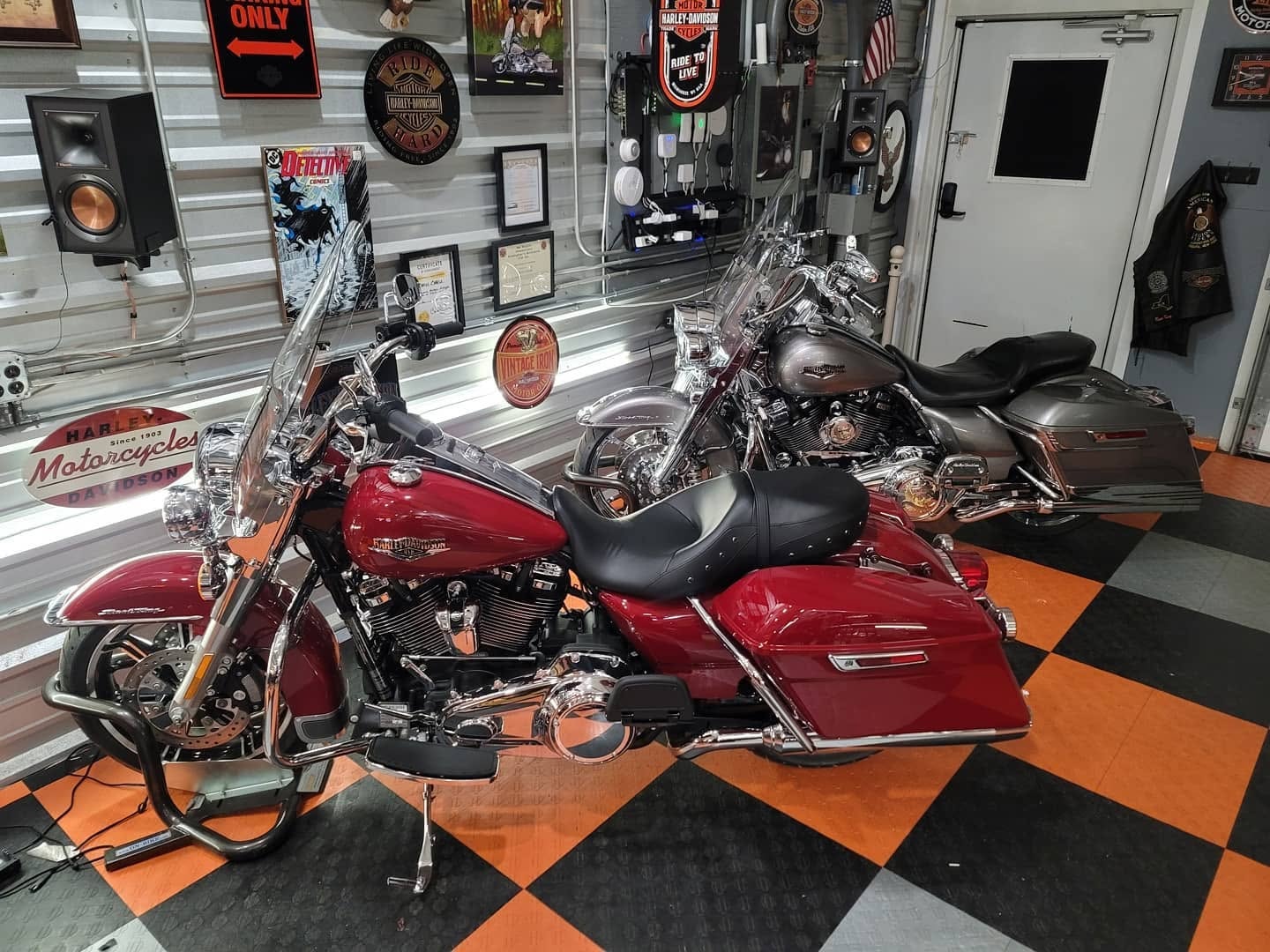
Here's how I do it with my 2017 Road King, Fiona, and what I'd tell any rider getting ready to store a bike for the winter.
1. Fill the tank and add stabilizer
A lot of riders think draining the tank is the safe move. Harley-Davidson says the opposite: fill the tank and add a quality fuel stabilizer, because an empty tank is more likely to corrode.
A full tank also leaves less room for air, and less air means less moisture. That matters with the ethanol blend most of us buy at the pump. Ethanol pulls water out of the air, and a half-empty tank sitting all winter is more likely to collect that moisture. Too much water and the fuel separates into layers, and no additive will fix that once it happens.
The order matters. Add the stabilizer, top off the tank, then ride the bike for 10 or 15 minutes so the treated fuel makes it all the way through the fuel system.
A lot of riders around here think they should run the 91 octane non-ethanol from Stewart's all year long. Harley calls for 91 or higher, but during the season I run high test, 93 premium. Where the non-ethanol really earns its keep is at the end of the season. For the last few rides before I park the bike, I switch over to it, so that's what sits in the tank all winter.
2. Change the oil before it sits, not after
Most people want to do the oil change in the spring. Do it now instead. Used oil carries dirt, metal particles, and acids from combustion, and letting that sit against your engine's internals for five months is exactly what you don't want.
Warm the engine up first so the old oil drains out clean, then put in fresh oil and a new filter. While you're at it, check your brake and clutch fluid. If they're dark or it's been a couple of years, Harley recommends replacing them before storage too, since old fluid breaks down and turns corrosive. If your bike is liquid cooled, check the coolant.
3. Put the battery on a tender, and stop starting it every week
This is the one I hear argued about the most. Some guys go out every Sunday, fire the bike up, let it idle for five minutes, and shut it off. It feels like you're helping. You're not.
A few minutes of idling never gets the engine hot enough to burn off the moisture it creates, so that water ends up sitting in your oil and your exhaust. It also takes more out of the battery than it puts back. Harley's own service advice is not to keep the battery up by starting the bike in storage. Unless you're actually going for a real ride, leave it alone.
Instead, hook up a smart battery tender and leave it plugged in all winter. A good automatic tender won't overcharge, and it will add years to the life of your battery. If you'd rather pull the battery and keep it inside, check your owner's manual for how to do it on your bike.
4. Take care of the tires
A heavy bike sitting in one spot for months can develop flat spots on the tires. Before you park it, inflate both tires to the pressure listed in your owner's manual and take a good look at the tread. If they're close to worn out, now's the time to plan for new ones, not the first warm Saturday in April.
The best fix is a stand or lift that takes the weight off the tires. A big touring bike like the Road King doesn't come with a center stand, so if you don't have a lift, just roll the bike a few feet at least once a month so the tires rest on a different spot. I also like to park on a piece of plywood or a mat instead of bare concrete.
5. Wash it, plug it, and cover it
Bugs, road grime, and salt hold moisture against your paint and chrome all winter long. Let the bike cool down, then give it a full wash and dry it completely. A coat of wax on the paint and a wipe-down of the chrome and leather goes a long way.
And if you sneak out for a ride on a warm winter day like I do, wash the salt off as soon as you get home. Don't let it sit on the bike until spring.
Next, think like a mouse. A warm garage and an open exhaust pipe look like a great place to spend the winter. Plug the exhaust and cover the air intake. Just remember you did it, because firing up the bike with the pipes plugged is not how you want to start the season.
I also spray around the bike and underneath it with a peppermint spray, the same stuff I use on my RV for the winter. Mice don't like the smell, and it's kept them away from both.
Finish with a breathable motorcycle cover. Skip the plastic tarp. Tarps trap moisture right against the bike, which is the opposite of what you want.
6. Pick the right spot
I'm lucky enough to have a heated garage, and it makes a real difference. Steady temperatures mean less condensation forming on the metal, and the battery stays happier too. If you don't have one, an unheated garage still works fine as long as it's dry and the bike is covered. Plenty of local dealers also offer winter storage packages.
One thing heated garage owners should pay attention to: where your heater sits. Harley's owner's manual warns against storing a bike with fuel in the tank near open flames, pilot lights, sparks, or electric motors. If your garage heater has a pilot light or an open burner, keep the bike well away from it. Keep it away from fertilizers, pool chemicals, and road salt bags too, since they can corrode metal.
Tape a list to the handgrip
Here's a tip straight out of the Harley owner's manual that I love: write down everything you did to put the bike away and tape the list to a handgrip. Exhaust plugged, battery on the tender, tires at storage pressure. In the spring, that list becomes your checklist for waking it back up, and you won't be the guy trying to start a bike with a rag still stuffed in the tailpipe.
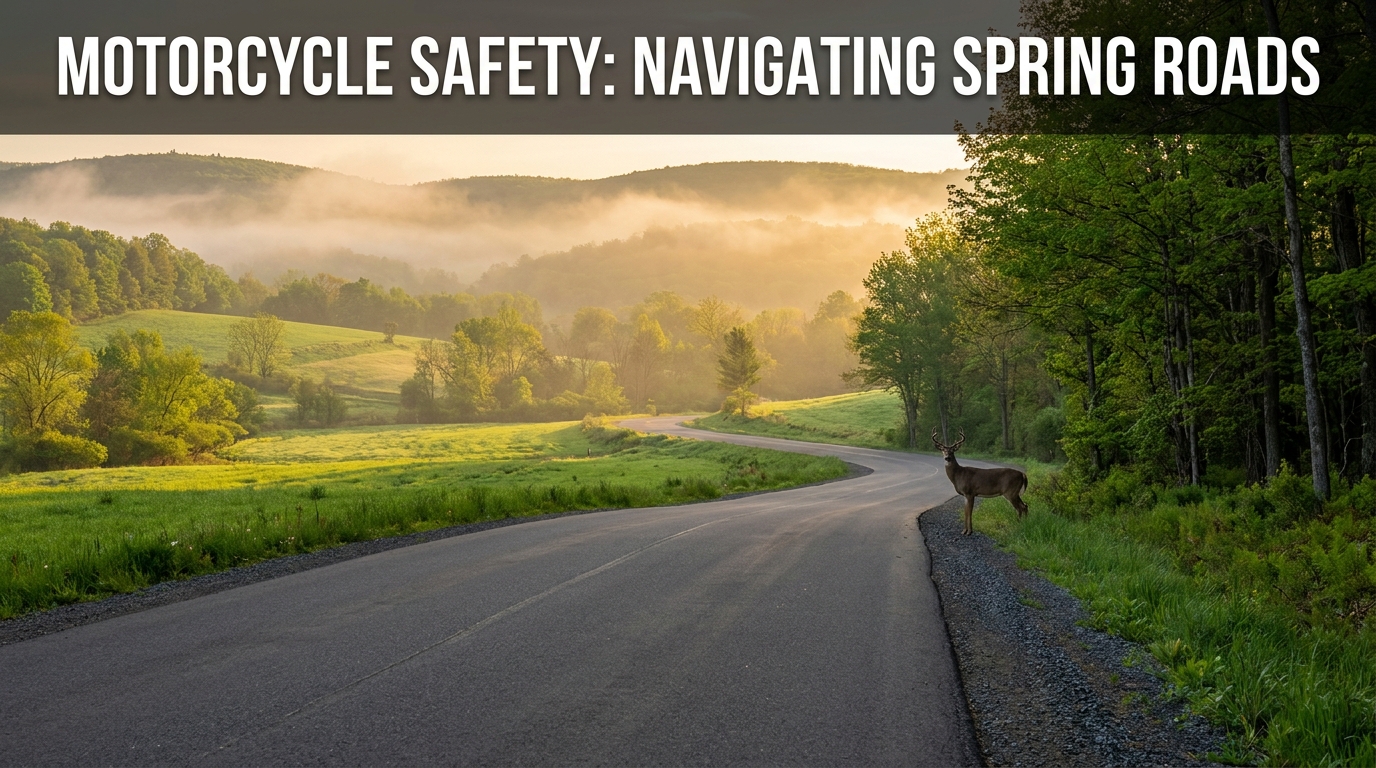
When the weather turns, work through that list, check your tire pressure again, and give everything a once-over before the first ride. Our Spring is here! Get Road Ready with These Tips! post and The Essential Pre-Ride Checklist walk through that side of it. And go easy for the first few rides. You're rusty, the roads are sandy, and the deer are out.
One last thing: don't cancel your insurance for the winter. A bike sitting in a garage can still be stolen, damaged, or caught in a fire, and a warm day in February might just call you out for a ride.
Take care of your bike this fall, and it'll take care of you come spring. See you on the road.

Comments
No comments yet. Be the first to share your thoughts.
Leave a comment